
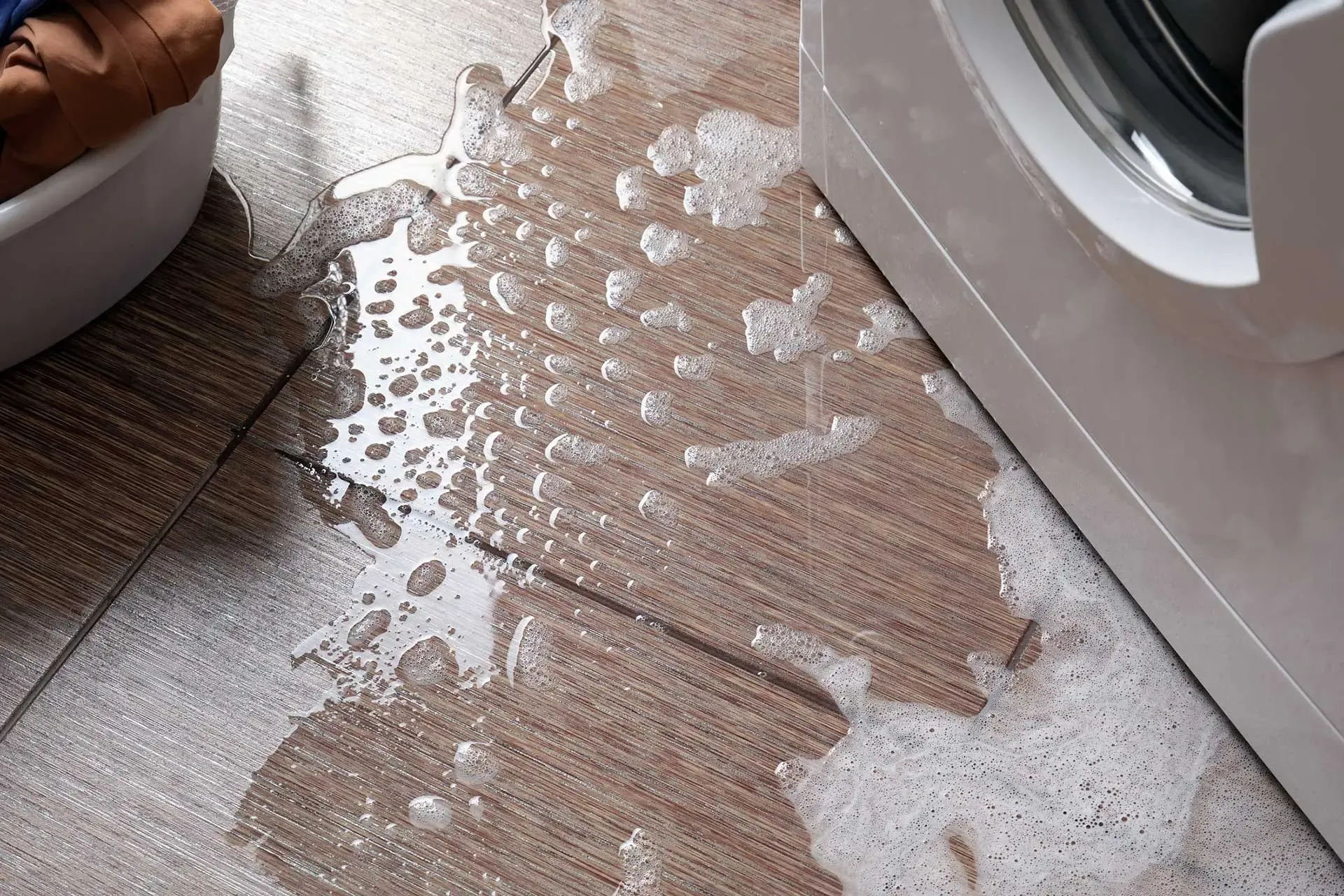
Water Damage Claims in Spain: What's Covered, What Isn't, and How to Avoid a Refusal

Water damage is the single most common home insurance claim in Spain – and one of the most disputed. The outcome is decided by the cause of the water, not by how bad the damage looks.
Key Takeaways
A water damage claim in Spain lives or dies on one question: what caused the water? Get the cause and the paperwork right and most claims are straightforward. Get it wrong and it's weeks of back-and-forth – or a refusal.
- Insurers pay for the damage; a hidden burst pipe can be covered, an exposed neglected one isn't
- Neglect, ageing un-renovated pipework and bad installations are refused
- Rain and storm flooding are NOT 'daños por agua' – they're atmospheric events, or the Consorcio
- Neighbour damage is covered, but only once you've proven the source was repaired
- Notify within 7 days of noticing – and in practice, immediately
The One Principle That Decides Most Water Damage Claims
In Spain, water damage cover (daños por agua) starts from one idea: the insurer pays for the damage the water causes. Whether it also pays to fix the pipe or part that failed depends on a second question – could you reasonably have seen it coming?
The soaked walls, ruined door frame, lifted flooring, damaged belongings – the consequences of the escape of water are what the policy is there for.
A hidden pipe that bursts inside a wall is usually covered – you couldn't see it coming. An exposed, visibly corroded pipe you could have spotted and left alone is neglect, and that part is yours.
Two everyday examples make the line clear. A concealed pipe buried in a wall or floor suddenly fails: you had no way of seeing it, so a good policy typically covers finding it, repairing it, and the resulting damage. But the small feed pipe to a toilet cistern sits out in the open – if it's plainly corroded and you leave it until it lets go, the insurer won't replace that pipe. Even then it will usually still cover the damage the leak caused, such as a wrecked door frame. The exposed, neglected part is yours; the damage is theirs.
Age and renovation: why old pipes become your responsibility
This is the part expats rarely expect. Insurers increasingly ask when you last renovated the property's water and electrical installations – and it matters, because every system has a service life. Plumbing that has never been renewed and is decades past its prime isn't an "accident" waiting to be paid; it's maintenance waiting to be done.
Spain makes this concrete. A lot of older housing runs on copper pipes, and after around 50 years soaking in Spain's hard, calcareous ("kalk") water they corrode and start to fail – that's normal, expected wear. Renewing pipework at that age is standard homeowner maintenance, not an insured event. If the installation is well past its life and was never renovated, the insurer can treat those failures as your burden, not theirs.
Where it turns into a refusal
The cover is for a genuine, unforeseeable escape of water – not for neglect. If the real cause is a maintenance problem you could have addressed, an installation long past its service life, or work that wasn't done to proper standards, the insurer can decline the whole claim, not just the part. "Sudden and accidental" gets paid; "should have been maintained" does not.
Not All Water Is "Water Damage" – Who Actually Pays
The same ceiling stain can be three completely different claims, handled under three different parts of the system. Getting this right from the start saves weeks.
Burst pipes, a washing-machine hose failure, an overflow, a blocked internal drain. This is the true water-damage section of your home policy, and where the "damage vs. the part" principle above applies.
Rain pushing through gaps, seals or a terrace is not daños por agua. It's covered (if at all) under atmospheric events – and if it got in through a maintenance defect, the insurer will only cover damage you caused to a third party, not your own.
Rivers bursting, flash floods, storm events like a DANA – these are paid by the Consorcio de Compensación de Seguros, a public compensation body, not by your private policy. The water may be to blame, but the cause is an extraordinary natural event, which is a different claim entirely.
Whether the damage lands under buildings or contents also matters. See our buildings vs contents guide.
What's Usually Covered
The damage from a sudden, accidental escape of water
Walls, plaster, paint, built-in flooring and often built-in units, plus damaged contents if you have contents cover – the consequences of the leak, provided the incident was a genuine escape of water and not a long-running maintenance issue.
Emergency home assistance (asistencia hogar)
Included as standard on Spanish home policies: an emergency line that sends a plumber to stop the leak quickly. Using it limits the damage and creates a clear, time-stamped record of the incident.
Damage to neighbours (responsabilidad civil)
If your leak damages a neighbour's property, your liability cover responds – even when the cause was your own poor maintenance. The important condition: the insurer only starts paying the neighbour's repair once you've proven you've fixed the source. Fix it, keep the invoice, then their claim proceeds.
Leak detection (localización de avería) – varies
Finding a hidden leak – breaking into tiles or walls to locate it – may be covered, but whether it is, and up to what amount, differs from insurer to insurer. Often you pay the invoice yourself and claim back the covered portion, and this item can carry an excess (franquicia) even when the rest of the claim doesn't. Always confirm the limit with your insurer before you commission the work.
What Is Not Covered (or Only in Limited Ways)
An exposed part you could have maintained
A visibly corroded feed pipe, a perished flexi hose, a worn valve out in the open – replacing the component itself is maintenance, and that's on you. (A hidden pipe that fails out of sight is different: that can be covered, along with the damage.) Either way, the insurer's core job is the damage, not the part.
Neglect, ageing installations & bad workmanship
Anything the insurer ties back to maintenance you should have done, an installation long past its service life (old pipework that was never renovated), or work that wasn't carried out to proper standards, is a refusal – and it can sink the entire claim, not just one line of it. This is the single biggest dispute area.
Hidden, long-running leaks
A slow leak behind a wall that quietly ran for months is hard to present as "sudden and accidental". Where the insurer decides it should have been noticed earlier, cover is limited or declined.
Damp and mould from condensation
Here the test is simple: if the mould was caused by an insured event – a covered leak – it's covered. If it's just damp or mould from condensation and ventilation, it isn't. Because the list of insured events differs by company, you have to read your own terms and conditions to know where the line sits.
How a Water Damage Claim Actually Works
Stop the source and document everything
Shut off the water or isolate the appliance, then photograph and film the damage and the suspected source before you clean up. If a neighbour is affected, document both sides.
Notify the insurer – within 7 days of noticing
Spanish insurance law gives you seven days, but the clock starts when you become aware of the problem, not when it happened. In your main home you're expected to notice straight away, so in practice that means immediately. In a second home you might only discover it on arrival months later – then notify the moment you find it. Letting it sit is a classic reason claims get refused.
Establish cause and responsibility
This is the core of the claim. The insurer or a technician confirms:
- Where the leak started, and whether it was sudden or gradual
- Whether maintenance or a bad installation is behind it
- Whether community elements are involved (shared pipes, roofs, façades)
- Whether third-party liability to a neighbour applies
Repair and restoration plan
Insurers usually want an itemised plan: drying, replastering, repainting, flooring and any replacement of damaged belongings. Where a neighbour is involved, remember their repair only moves once your source is proven fixed.
Apartments: where the community policy takes over
In a block, damage from community pipes and shared building elements is normally the responsibility of the community insurance (seguro de comunidad), not your own policy. Establishing early whether the leak came from a private or a shared pipe decides which insurer leads – and stops your claim bouncing back and forth between the two.
And when the water is coming from the flat above – a stain spreading across your ceiling from the neighbour's burst pipe – expect the same order of events as when you're the cause: your ceiling is repaired once the neighbour has fixed the leak at source, not before. Report it straight away and document it, but the restoration waits until the cause upstairs is resolved.
A Simple Claim Checklist (Use This Every Time)
- Photos/videos of the damage and the suspected source, before cleanup
- Date/time you first noticed it and what you did immediately
- Technician report or invoice – including any leak-detection work
- Contact details for affected neighbours, and proof you repaired the source
- Any previous repair history for the same area
How to Avoid Delays and Refusals
Don't wait for it to "get worse"
Delay creates two problems at once: bigger damage, and a maintenance question mark over the whole claim. The faster you act and notify, the harder it is to reframe your leak as neglect.
Keep your account consistent and fact-based
Stick to what you observed: when you noticed it, where it shows, what you did, and what the technician found. A clear, consistent timeline is what separates a smooth claim from a disputed one.
Read your own insured-events list
Leak-detection limits, mould, and what counts as an insured event all vary by company. Two minutes with your policy wording – or a call to your broker – tells you where you stand before you spend a euro.
Dealing with a water-damage situation – especially with neighbours involved – is a lot easier with someone who speaks your language handling the insurer. Get in touch.
Related: Buildings vs Contents Insurance
Whether damage falls under buildings or contents cover shapes what a water-damage claim pays. Learn the difference and what each covers.
Read the guideWritten and reviewed by licensed insurance agents.
Written and reviewed by licensed insurance agents Maya Kallio and Marco Elsinger, who have helped over 15,000 expats in Spain since 2012.
Maya Kallio
Licensed Insurance Agent · Since 2012
Marco Elsinger
Licensed Insurance Agent · 10+ years
Languages: English, Finnish, Spanish, German, Swedish · DGSFP License: C0031B93323293
Frequently asked questions
Still have questions? Check these answers or get in touch.
Will Spanish home insurance pay for water damage from a leaking pipe?
Usually yes for the resulting damage, as long as it's a genuine escape of water (daños por agua) – the ruined door frame, soaked plaster, damaged flooring. Whether the pipe itself is covered depends on where it was: a hidden pipe that bursts inside a wall is usually covered because you couldn't see it, but an exposed, visibly corroded pipe you left unmaintained is treated as your responsibility. The claim gets refused when the real cause is neglect – a hidden long-running leak that should have been noticed, an old installation well past its service life that was never renovated, or a bad installation that didn't follow proper standards.
Does the policy cover repairing the pipe or appliance that caused the leak?
It depends on the part. An exposed, visibly worn part you could have maintained – a corroded toilet feed pipe, a perished flexi hose – is yours to replace, though the insurer will still cover the water damage the leak caused. A hidden pipe that fails out of sight, where you had no way of seeing it coming, can be covered along with the damage. Finding a hidden leak (localización de avería) is separate again: whether it's covered, and up to what amount, varies by insurer. In practice you often pay the leak-detection invoice yourself and then claim back the part the insurer covers – and that item can carry an excess (franquicia) even when the rest of the claim doesn't.
What if water from my apartment damages my neighbour's ceiling?
Your policy's third-party liability (responsabilidad civil) covers damage your leak causes to a neighbour – even when the underlying cause was your own poor maintenance. But there's a condition brokers see constantly: the insurer will only start paying for the neighbour's damage once you've proven the source has actually been repaired. So fix the leak first, keep the invoice, and then the neighbour's repair moves forward. If the leak came from shared or community pipes, it's usually the community policy (seguro de comunidad) that responds, not yours.
The water staining my ceiling is coming from the neighbour upstairs – what happens?
This is one of the most common situations in Spanish apartment blocks, and it catches people out because the damage is clearly visible in your home but the fix waits on someone else. The repair to your ceiling only goes ahead once the neighbour has repaired the leak at source – the insurer won't restore your ceiling while water could still be coming through. In practice: report it to your insurer immediately, photograph the damage, get the neighbour to fix (or claim on) the leak, and once the cause is resolved your ceiling is put right. If the leak is in a shared/community pipe, the community policy (seguro de comunidad) usually handles it rather than either private policy.
Is rain or storm water covered by water damage insurance in Spain?
This is the biggest misunderstanding. Rain getting in is not daños por agua at all – that clause is about pipes, drains and appliances. Rain ingress falls under the atmospheric-events section of your policy, and the same logic applies: if the water got in through a maintenance defect (worn seals, cracks, bad waterproofing) the insurer won't repair your own damage, only what you caused to a third party. And genuinely extraordinary flooding – rivers bursting, flash floods from storms like a DANA – isn't paid by your insurer at all: that's the Consorcio de Compensación de Seguros, a separate public compensation body. People lump it all together as 'water damage', but the cause decides who pays.
Ready to get covered?
When you're ready, explore your insurance options in Spain with us and request a personalised quote in English.